
Reducing Plastic in the Oceans: A Complete Guide
World Oceans Day is the perfect opportunity to raise awareness about the problem of plastic products and their impact on our oceans. Don't worry, there's more than just bad news in this article; we've also got some easy-to-incorporate solutions, some hopeful statistics, and some seriously fun initiatives being implemented to save our oceans!
Observation
The good news
Plastic-free alternatives
Activities to do with friends/family
Resources
Plastic waste: a scourge for the oceans
a. Plastic pollution: a global problem
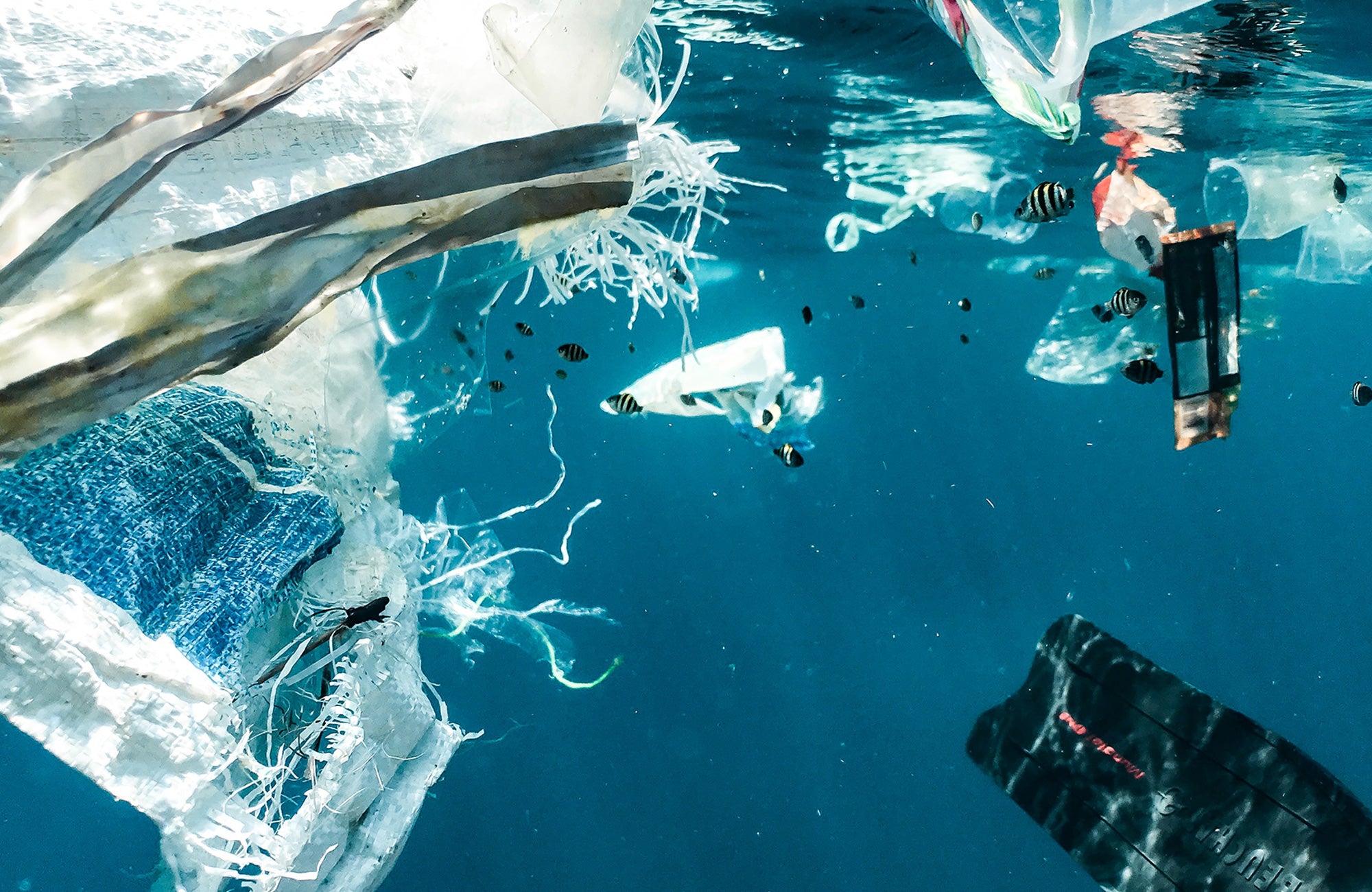
According to a study by Science Advances, it is estimated that around 8 million tons of plastic are dumped into the oceans each year.
This represents approximately more than 1 million elephants: With an average weight of around 6 tonnes for an African elephant, 8 million tonnes of plastic would be equivalent to the weight of more than 1.3 million elephants!
b. The main sources of plastic waste in the oceans
Nearly 80% of plastic pollution in the oceans comes from land-based waste, such as mismanaged or unrecycled waste (Environmental Science & Technology)
More specifically, we are talking about plastic bottles, plastic bags, food packaging, cotton buds and fishing nets abandoned at sea ( UNEP).
c. The impact of plastic waste on marine ecosystems
Plastic waste seriously harms marine life and ecosystems, leading to suffocation, ingestion, and entanglement of marine animals. The most affected species are:
-
Sea turtles: Plastic bags can be mistaken for their food, jellyfish. Ingesting plastic can cause intestinal blockages, leading to the death of these iconic species.
-
Seabirds: Albatrosses and shearwaters often ingest plastic debris, which they mistake for food. This can lead to digestive problems, artificial satiety, and even death. About 90% of seabirds have ingested plastic at some point in their lives (Proceedings of the National Academy of Sciences)
-
Marine mammals: Marine mammals, such as dolphins, whales, and seals, can become entangled in abandoned fishing nets or ingest pieces of plastic, which can lead to serious injuries, infections, and altered diets.
-
Corals: Although not a species in themselves, coral reefs are essential marine ecosystems. The accumulation of plastic obstructs the light needed for coral photosynthesis and disrupts their growth, leading to a widespread decline in coral reefs.
Around 800 marine species are affected by plastic debris! (Marine Pollution Bulletin)
d. The plastic continent: an ecological catastrophe
The plastic continent refers to areas where plastic waste accumulates due to ocean currents, creating massive concentrations of debris.
The most famous "plastic continent," the Great Pacific Garbage Patch, located in the Pacific Ocean, covers an estimated area of 1.6 million km², more than three times the size of France!
According to a study by the National Geographic Society, it is estimated that more than 5 trillion pieces of plastic are floating on the surface of the oceans.

The good news!
Despite the challenges we face, there are encouraging initiatives that demonstrate that all is not lost and that we must remain optimistic!
Here are some examples:
a. Increased plastic recycling
According to some estimates, the plastic recycling rate in some parts of the world has increased from 5% to over 20% in recent years. This trend shows that more and more people are becoming aware of the importance of recycling and reducing their plastic footprint.
b. Ban on single-use plastics
Many countries (including Canada!) have taken steps to ban single-use plastics such as plastic bags, straws, and cups. This legislation encourages consumers to adopt sustainable alternatives and encourages industry to develop innovative solutions.
c. Ocean Cleaning
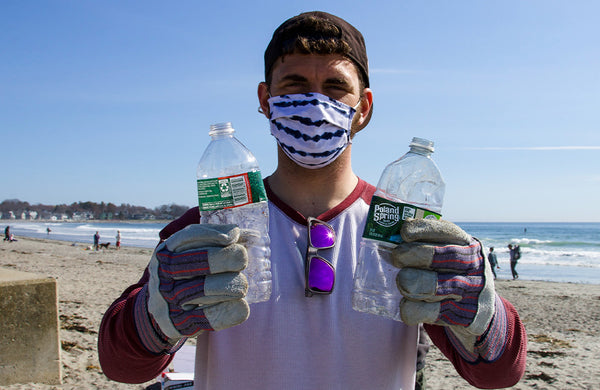
Organizations and volunteers are mobilizing to clean up oceans and coasts by organizing trash collection days. These actions help reduce plastic pollution and raise public awareness about ocean protection.
d. Renewable marine energies
Marine renewable energy technologies, such as offshore wind turbines and tidal power plants, are developing rapidly. These clean energy sources reduce our dependence on fossil fuels, thereby reducing the risk of ocean pollution.
e. Restoration of marine ecosystems
Marine ecosystem restoration initiatives are increasing, including the creation of marine protected areas and the reintroduction of endangered species. These measures help preserve marine biodiversity and restore degraded habitats.
f. Scientific research
Scientists continue to explore new solutions to preserve the oceans, whether by developing biodegradable materials, studying corals for their resilience in the face of climate change, or innovating in the field of marine pollution control.

Easy alternatives to implement in your daily life
-
Use reusable water bottles.
-
Favor bulk products.
-
Avoid over-packaged products or choose options that use recyclable or biodegradable packaging materials.
-
Use snack bags or reusable food wraps for food storage instead of plastic bags or film.
-
Use cloth wipes and tissues.
-
Make your own cleaning products: Avoid plastic cleaning products by making your own household products from natural ingredients such as vinegar, baking soda, and lemon. Click here for simple, quick, and inexpensive recipes.
-
Opt for solid cosmetics: Use solid soaps, shampoos, and deodorants instead of those in plastic bottles. You can also look for brands that offer beauty products with minimal or recyclable packaging.
-
Raise awareness and encourage others: Share your knowledge about reducing plastic waste with those around you. Encourage your friends, family, and colleagues to adopt more sustainable habits and explain the benefits of these changes to them.
Click here to see lots of zero waste alternatives!

5 fun activities to do with family or friends!
-
Participate in or offer reusable product manufacturing workshops as a gift.
-
Set yourself plastic reduction challenges: for example, not buying products packaged in plastic for a week, going to the market, trying bulk shopping, etc.
-
Organize cleanups in your neighborhood. Simply create a Facebook event, share it with the borough, and voilà, you're done!
-
Organize a zero-waste picnic with your friends, where everyone brings their own reusable cutlery, plates, glasses, and napkins. Don't forget to opt for fresh, home-cooked food packed in reusable containers.
-
Organize a trash scavenger hunt: Organize a trash scavenger hunt in your neighborhood, a park, or on the beach. The team that collects the most trash or finds the most unusual items wins!

Resources
Here are some resources in Canada that address the problem of plastic in the oceans:
-
Ocean Wise - Plastic Wise : Ocean Wise is a Canadian-based organization dedicated to ocean conservation. Their Plastic Wise program aims to reduce plastic pollution by providing information, resources, and concrete actions.
-
Plastic Free Canada : Plastic Free Canada is a Canadian initiative that aims to raise awareness about plastic pollution and promote sustainable alternatives. Their website offers practical tips, educational resources, and solutions to reduce plastic use.
-
Canadian Wildlife Federation - Plastic Pollution : The Canadian Wildlife Federation provides detailed information on plastic pollution, including its effects on wildlife and ecosystems. Their page on plastic pollution offers a Canadian perspective and educational resources.
-
Surfrider Foundation Canada : Surfrider Foundation Canada is an environmental organization focused on protecting Canada's oceans and coasts. Their website provides information on plastic pollution, awareness campaigns, and actions you can take.
-
Ocean Wise - Great Canadian Shoreline Cleanup : The Great Canadian Shoreline Cleanup initiative, supported by Ocean Wise, aims to clean up Canada's shorelines to prevent plastic pollution. Their website offers information on shoreline cleanups, awareness, and educational resources.
These resources will allow you to explore Canadian-specific initiatives and information related to ocean plastic.



Leave a comment
This site is protected by hCaptcha and the hCaptcha Privacy Policy and Terms of Service apply.