
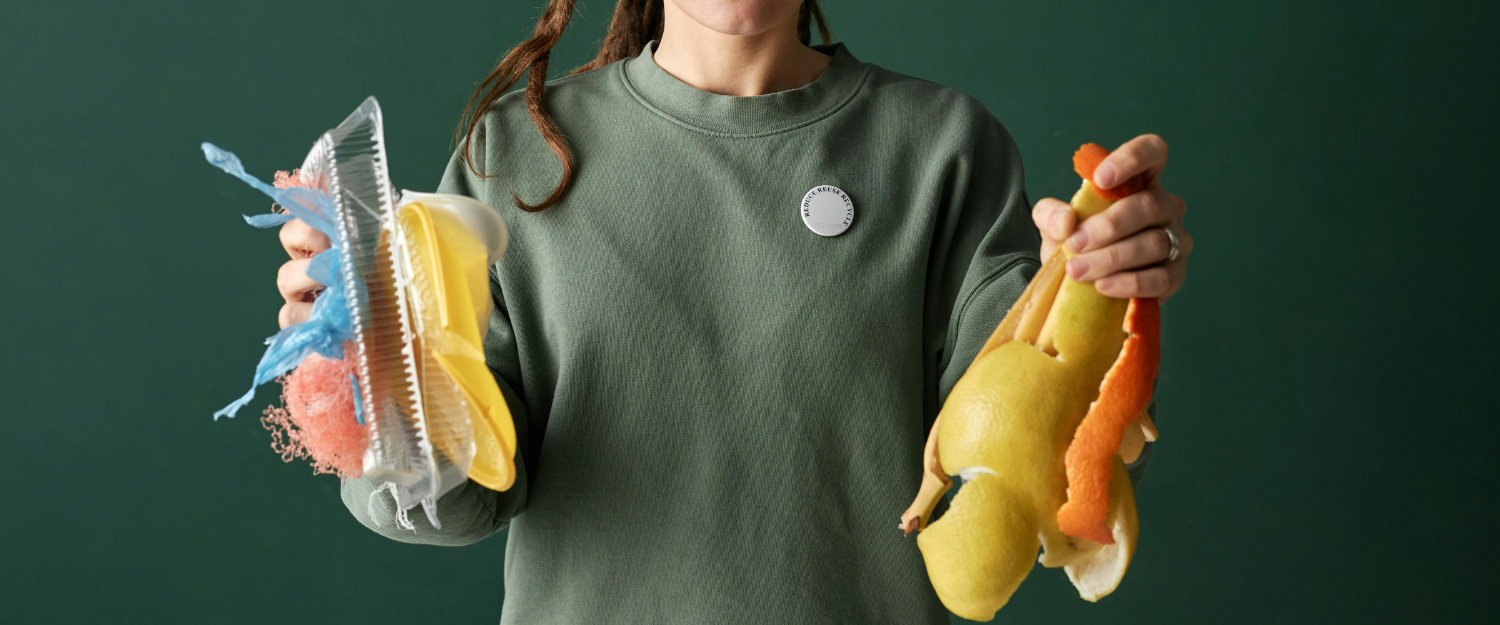
Reducing microplastics in everyday life: simple actions for 2025
Microplastics—plastic fragments smaller than 5 millimeters—are invading our lives. Present in drinking water, air, food, and even Arctic glaciers, they pose an invisible but real threat. According to a recent study, the average person ingests about 50,000 microplastic particles per year —the equivalent of one credit card per week.
These particles don't just pollute the environment. They enter our bodies and are associated with:
- Inflammation in the organs.
- Hormonal disruptions , particularly via phthalates and BPA contained in certain plastics.
- Increased risk of chronic diseases such as cardiovascular and immune disorders.
The main sources of microplastics
1. Synthetic textiles
Clothing made of polyester, nylon, or acrylic releases plastic microfibers with every wash. According to the IUCN, 35% of microplastics in the oceans come from textiles .
2. Cosmetic products
Exfoliants and toothpastes sometimes contain plastic microbeads. Although banned in several countries, they remain present in some mislabeled products.
3. Food packaging
Plastic containers can release particles when heated or exposed to light. Plastic films and PET bottles are also affected.
Simple and effective solutions
Faced with this threat, it is possible to reduce exposure to microplastics with everyday actions:
1. Rethink our wardrobe
- Choose clothing made from natural fibers such as organic cotton, linen or wool.
- Wash your synthetic clothes in cold water and use a microfiber bag or filter. This can reduce plastic fiber release by 90% .
2. Choose plastic-free cosmetics
- Read labels carefully to avoid ingredients like polyethylene (PE) or polypropylene (PP) .
- Prefer solid cosmetics, often free from unnecessary plastics.
3. Reduce food plastics
- Store your food in glass or stainless steel containers.
- Replace plastic wrap with beeswax-coated cloth bowl covers.
4. Filter drinking water
- Use activated carbon filters or filter jugs capable of capturing microplastic particles.
5. Promote sustainable products
- Replace synthetic sponges with natural alternatives like cellulose or loofah sponges.
- Buy in bulk to reduce packaging.
The impact on flora and fauna
Microplastics don't just impact our health. They accumulate in food chains, affecting fish and seabirds. Studies show that 90% of seabirds have microplastics in their stomachs, disrupting their digestion and reproduction.
Why act now?
Reducing microplastics is a collective challenge. Every action counts to limit their spread and protect our planet and our health. Incorporating these actions into your daily life will contribute to a healthier future for all.
Your well-being and the planet will thank you :)

Leave a comment
This site is protected by hCaptcha and the hCaptcha Privacy Policy and Terms of Service apply.