
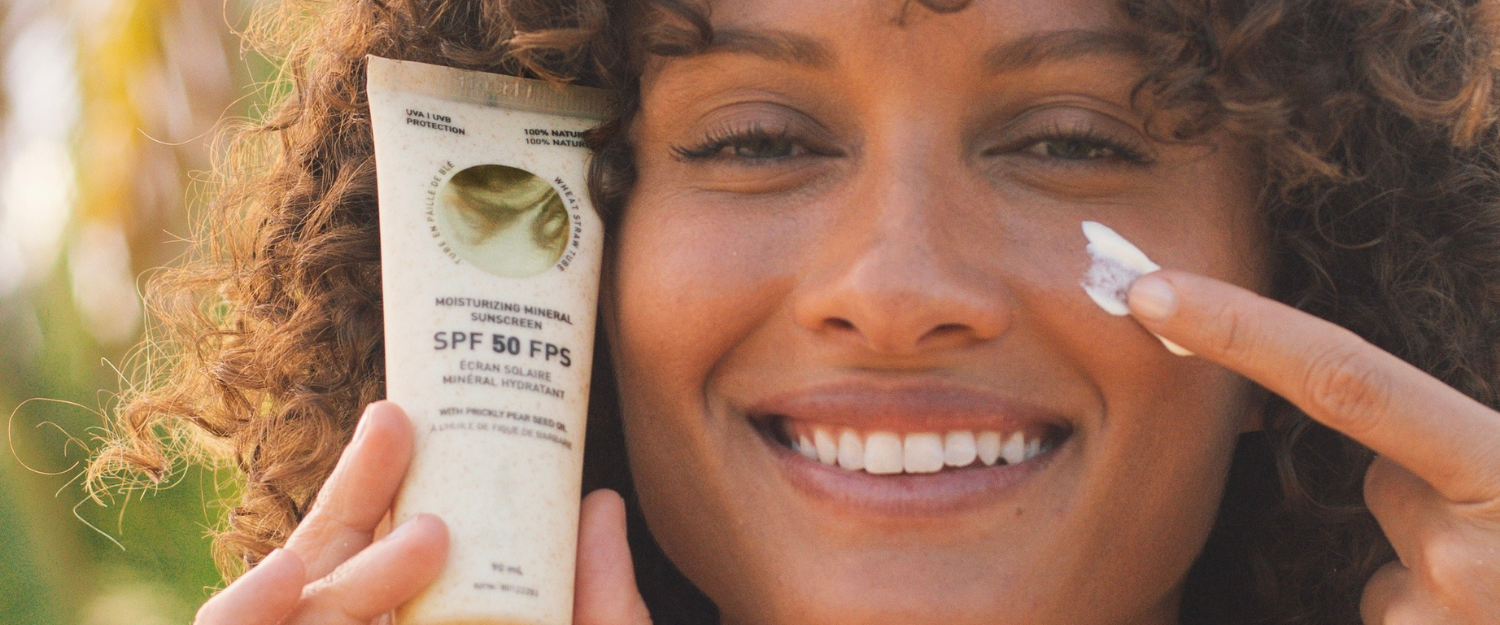
How to choose your sunscreen: a complete guide for optimal protection
With summer approaching and the sun shining brighter and brighter, it's crucial to protect our skin from the harmful effects of UV rays. Choosing the right sunscreen can seem overwhelming with all the options available.
Understanding the Sun Protection Factor (SPF)
SPF, or Sun Protection Factor, is a key indicator to consider. It measures a sunscreen's ability to protect the skin from UVB rays, which cause sunburn. Here's what you need to know:
- SPF 15 : Blocks approximately 93% of UVB rays
- SPF 30 : Blocks approximately 97% of UVB rays
- SPF 50 : Blocks approximately 98% of UVB rays
Broad spectrum protection
A good sunscreen should offer broad-spectrum protection, meaning it protects against both UVB and UVA rays. UVA rays penetrate deeper into the skin and are responsible for premature aging and some skin cancers. Make sure your sunscreen lists protection against both types of rays.
Skin type
Choosing a sunscreen that suits your skin type is crucial:
- Oily or acne-prone skin : Choose a non-comedogenic, oil-free formula.
- Dry skin : A moisturizing sunscreen with nourishing ingredients is ideal.
- Sensitive skin : Choose fragrance-free and hypoallergenic products.
Active ingredients
Active ingredients determine the effectiveness of sunscreen. Here are some to look for:
- Zinc Oxide and Titanium Dioxide : Mineral ingredients that provide physical protection.
- Avobenzone, octocrylene : Effective chemical ingredients but can cause reactions in sensitive skin.
Formulation and application
Texture and ease of application may influence your choice:
- Cream : Suitable for dry skin.
- Gel or spray : Ideal for oily or hairy skin.
- Stick : Practical for touch-ups, especially on the face.
Respect for the environment
More and more consumers are looking for environmentally friendly products. Mineral sunscreens and biodegradable or recyclable packaging play an important role in this choice.
Mineral sunscreens
Mineral sunscreens, also called physical sunscreens, use ingredients like zinc oxide and titanium dioxide to reflect UV rays. They offer several environmental benefits:
- Less marine pollution : Unlike some chemical filters like oxybenzone and octinoxate, mineral ingredients have no proven harmful impact on coral reefs. These chemical filters can cause coral bleaching and disrupt marine ecosystems.
- Safe and Natural Ingredients : Mineral sunscreens use natural ingredients that are less likely to cause allergic reactions and are safer for sensitive skin.
Biodegradable or recyclable packaging
In addition to the composition of the sunscreen itself, it is important to consider the packaging:
- Biodegradable packaging : Some products use packaging materials that decompose naturally without leaving harmful residue. This helps reduce plastic waste that pollutes oceans and landfills.
- Recyclable packaging : Many brands are making efforts to use packaging made from recycled or recyclable materials. This reduces the demand for new plastics and encourages the recycling of existing materials.
Tanit brands and Attitude are committed to offering environmentally friendly products. Their sunscreens are formulated without ingredients that are harmful to corals and marine ecosystems. In addition, they use recyclable packaging to minimize their environmental impact.
Discover our selection of sun products: See the selection
Photo credit: Tanit.



Leave a comment
This site is protected by hCaptcha and the hCaptcha Privacy Policy and Terms of Service apply.