
The effect of plastic on health and how to reduce its use
July is Plastic Free Month, a reminder of the importance of reducing our plastic consumption to protect our environment. But did you know that plastic isn't just harmful to nature? It's also harmful to our health. This article explores the effects of plastic on our well-being and offers practical solutions for reducing its use in our daily lives.
The effect of plastic on health
Food contamination
Plastics used in food packaging can release chemicals, such as phthalates and bisphenol A (BPA), which can migrate into food. These chemicals are endocrine disruptors, which can affect our hormonal system and cause health problems such as infertility, diabetes, and certain cancers. A study conducted by the French National Institute of Health and Medical Research (INSERM) found that exposure to BPA is linked to abnormalities in brain development and behavior in children.
Environmental exposure
Microplastics, tiny plastic particles, are now found in water, air, and soil. These particles can enter our bodies through ingestion or inhalation. A study from the University of Newcastle in Australia estimates that we ingest about 5 grams of plastic each week—the equivalent of a credit card. Microplastics can cause inflammation, disrupt the immune system, and potentially carry pollutants and harmful bacteria.
Use of plastic products
The plastic items we use every day, such as water bottles, food containers, and utensils, can release toxic substances when exposed to heat or significant wear and tear. For example, when plastic is heated in a microwave or left in the sun, harmful chemicals can end up in our food or drinks. Research published in the Journal of Environmental Science and Technology showed that even "BPA-free" plastic products can release other endocrine-disrupting chemicals.
Accumulation in the body
Plastic doesn't break down easily, which means that once it enters our bodies, it can accumulate. This accumulation can lead to long-term chronic health effects, including hormonal disruption, cardiovascular disease, and reproductive problems. Studies have also suggested a link between phthalate exposure and increased rates of obesity and metabolic disease.
Solutions to reduce plastic use
-
Opt for reusable alternatives : Use stainless steel water bottles, cloth bags, and glass containers. These options are not only better for the environment, but they also eliminate the risk of contamination from plastic chemicals. A great selection of local and plastic-free products awaits you at Simplitude: see the selection
-
Buy in bulk : Buying products in bulk helps reduce the amount of plastic packaging used. Bring your own reusable bags and containers when you shop.
-
Choose packaging-free products : Choose products that aren't wrapped in plastic. For example, choose solid soap bars over bottled liquid soap, bamboo toothbrushes, chewable toothpastes, and solid shampoos and conditioners. Discover Simplitude's product selection: discover
-
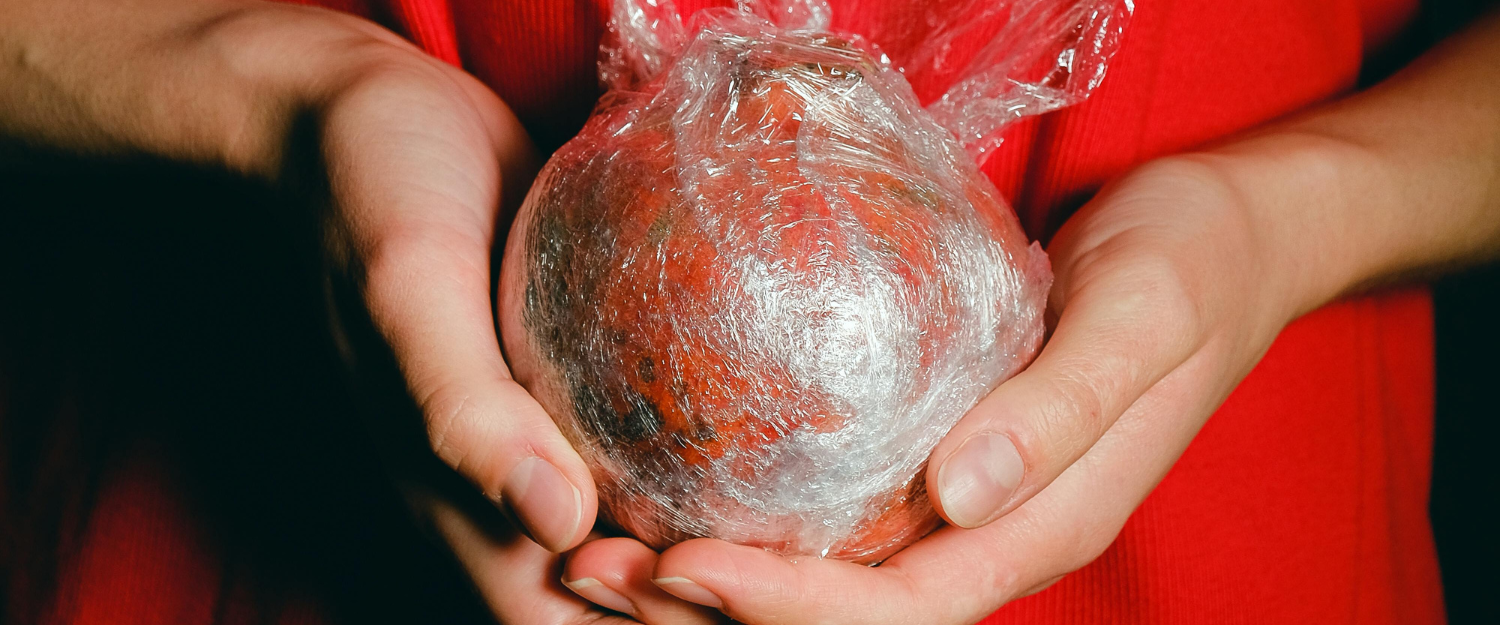
Avoid single-use plastics : Replace plastic wrap, Ziploc bags, and plastic utensils with sustainable alternatives like bamboo utensils, fabric snack bags, and beeswax food wraps: see the selection
-
Make your own cleaning products : Homemade cleaning products can be stored in reusable containers and eliminate the need to buy cleaners in plastic bottles. Plus, they're often healthier because they don't contain harmful chemicals. Check out our blog for recipes for homemade cleaning products!
-
Recycle properly : Learn about the types of plastics that can be recycled and make sure you sort them correctly. Avoid mixing non-recyclable materials with recyclable ones, as this can contaminate the entire batch. If you're unsure, refer to Recyc Québec's Where Does It Go app.
Plastic has harmful effects not only on our environment, but also on our health. By adopting reusable alternatives, avoiding single-use plastics, and recycling properly, we can reduce our exposure to harmful chemicals and improve our well-being. Plastic-Free Month is the perfect opportunity to start making sustainable changes to our lifestyle!

Leave a comment
This site is protected by hCaptcha and the hCaptcha Privacy Policy and Terms of Service apply.