
The effects of plastic on the endocrine system and the dangers of sanitary protection
Did you know that some everyday plastics can disrupt our hormonal system? Endocrine disruptors found in plastics, particularly in certain sanitary products, have harmful effects on our health. This article aims to inform you about these dangers and offer solutions to reduce their impact.
What is the endocrine system?
The endocrine system regulates hormones in our bodies, influencing growth, metabolism, and reproduction. Any disruption to this system can have serious consequences.
Plastics and endocrine disruptors
Plastics like PET, PVC, and products containing BPA and phthalates can interfere with our hormones by mimicking or blocking them.
Health effects
In adults, these disruptions can lead to hormonal disorders, hormone-dependent cancers, obesity, and diabetes. For children and pregnant women, risks include fetal development problems, growth disorders, and behavioral problems.
Health protections and endocrine disruptors
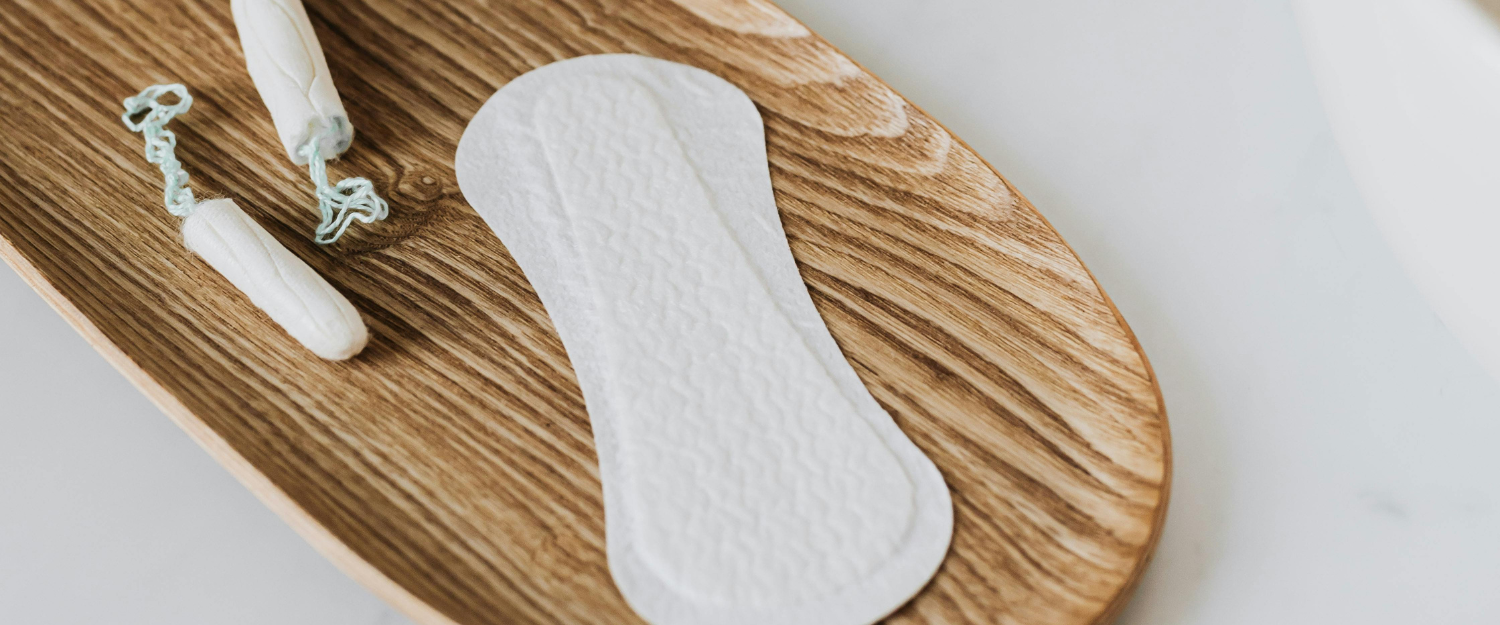
Conventional tampons and sanitary napkins can contain harmful plastics and chemicals. These substances can enter the body and disrupt the endocrine system. Here are some common toxic ingredients and their uses:
- Bisphenol A (BPA) : Used in some plastics, can mimic hormones and disrupt the endocrine system.
- Phthalates : Used to soften plastics, they can interfere with development and hormone function.
- Dioxins : By-products of the chlorine bleaching process, these compounds are linked to hormonal disorders and cancers.
- Pesticides : Residues found in non-organic cotton that can cause irritation and hormonal imbalances.
- Perfumes and Fragrances : Used to mask odors, they may contain phthalates and other irritating chemicals.
These substances can cause health problems such as:
- Irritations and allergies : Caused by chemicals and plastics in direct contact with sensitive mucous membranes.
- Hormonal disruption : Substances like BPA and phthalates can mimic hormones and interfere with the endocrine system.
- Risks of infections : The presence of chemicals can alter the natural balance of vaginal flora
Figures and statistics
- 1 billion : The number of sanitary napkins thrown away each month in North America, according to the U.S. Environmental Protection Agency.
- 93% : The percentage of women using conventional tampons and pads who are unaware of the chemicals they contain (source: Women's Voices for the Earth).
- 48% : The percentage of tampons tested containing traces of pesticides, chlorine, and dioxins (source: Women's Environmental Network).
- 5 to 8 years : The time it takes for a conventional tampon to degrade in the environment, compared to around 6 months for a silicone menstrual cup.
Studies and research
Studies show that endocrine disruptors found in plastics are linked to various health problems. Experts recommend limiting exposure to these substances.
Reducing exposure to endocrine disruptors in sanitary protection
- Use safe alternatives : Choose medical-grade silicone menstrual cups, organic cotton washable pads, and organic cotton tampons.
- Choose products certified BPA and phthalate-free : Look for labels and certifications that guarantee the absence of harmful substances.
- Avoid scented products : Perfumes can contain phthalates and other irritating chemicals.
Plastics disrupt our endocrine system, leading to serious health problems, particularly through certain sanitary protections. By making informed choices and adopting sustainable practices, we can reduce our exposure to these harmful substances. Take action today to protect your health and that of your family.


Leave a comment
This site is protected by hCaptcha and the hCaptcha Privacy Policy and Terms of Service apply.