
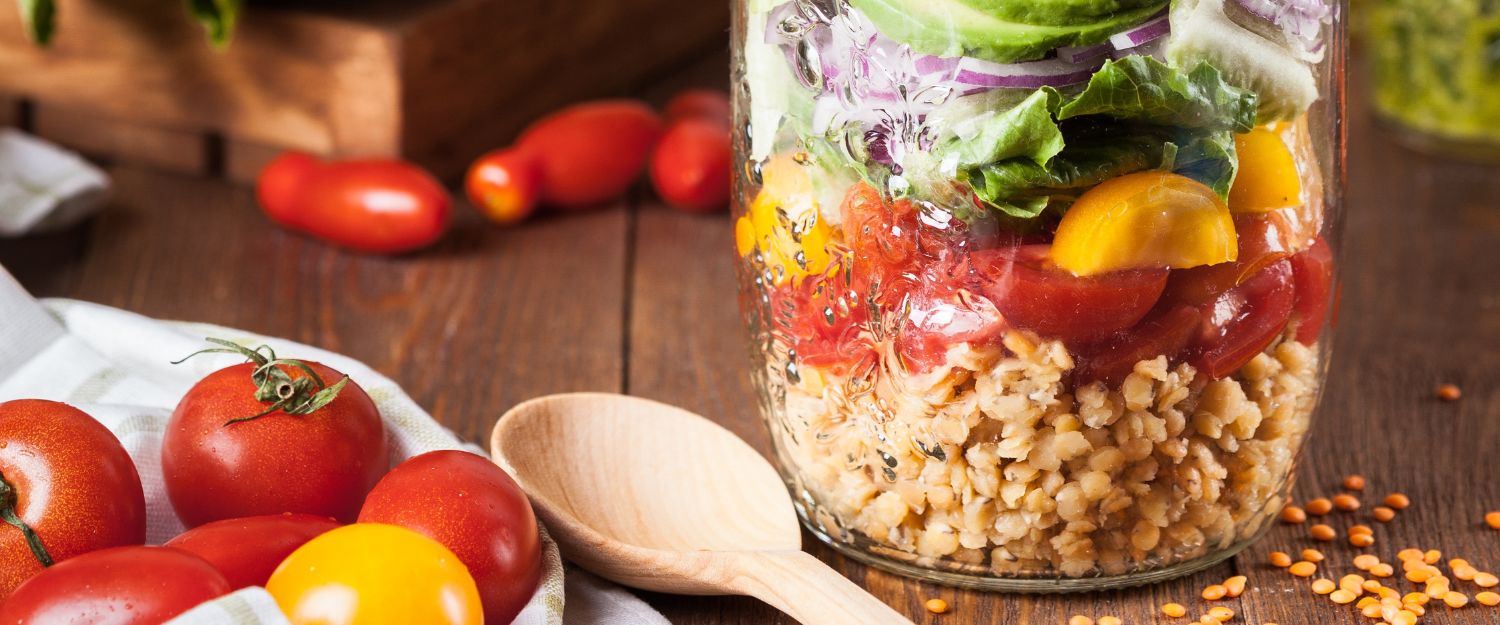
A lunch box that saves the planet (and your wallet!)
Filling a lunch box is a chore 5 times a week. It has to be quick and efficient! But we want our children to eat well and grow up in a healthy environment.
We've designed this guide to make your life easier and reduce your mental load.
Perfection doesn't exist :) Do your best to incorporate what feels easiest into your routine!
Here are some ideas to make your life easier and reduce your mental load while still being productive.

1. At the grocery store
- Buy bigger to save money and reduce packaging.
Buy a large size and divide it into small PBA-free pots: yogurt pot, cereal box, compote, dried fruit, etc.
Notes: Buy one large size, but not several small sizes in one large size.
- Opt for ugly fruits and vegetables
More and more grocery stores are selling fruits and vegetables for less because they're either too big, too small, or have a slight defect. Enjoy them—they're delicious!
- An expiry date approaching...so what?
In addition to grocery stores that clearly identify products that are close to their expiration date, several applications ( FoodHero , Sauvegarde , Too Good To Go , FlashFood etc.) aim to reduce food waste by allowing you to purchase these products at greatly reduced prices. A great opportunity to fill your freezer!

2. Make lunches
- Beautiful raw vegetables for longer!
The "soft cucumber": dip the end of your cucumber in a glass of water and a few minutes later, it's crunchy and delicious again!
"Tired" celery : As soon as you buy it, wrap it tightly in aluminum foil. It will look as good as new for 2 weeks or even longer!
Carrots: Cut them into sticks for lunch and place them in a mason jar filled with water directly in the fridge. Crispy, sliced carrots for the whole week!
Berries (strawberries, blueberries, etc.): Wash and dry them. Place them in a Mason jar in the fridge and you'll see they'll look beautiful for a week, crisp and delicious, just as if they'd just been picked!
For more tips like these, join us on our Instagram account
- Try vegetarian recipes, it's easier than you think!
Veggie croquettes, quinoa pasta, spaghetti with meatless Bolognese sauce, macaroni with cheese, hummus sandwiches... There are tons of websites (our recommendations: K for Katrine , 3 times a day , La cuisine de Jean-Philippe and for beginners: 5 ingredients 15 minutes ) to find simple, delicious and even more nutritious veggie recipes.
In addition to being kinder to our planet and our animal friends, they are often less expensive than those containing meat.

3. The lunch box
- Snack bags to replace Ziploc bags
The +: Machine washable, dry quickly, durable, varied uses (toiletries, storage, wet clothes storage, etc.), available in several sizes and several colors/patterns.
Cons: It requires a bit more management/maintenance for washing
- Wax wrap - perfect for sandwiches!
The pros: Like reusable cellophane but does not tear, durable (between 9 and 12 months) and compostable
Cons: Must be hand washed in cold water
- Prioritize reusables
Reusable bottle
Reusable utensils (those from home work very well too)
Washable washcloth instead of paper towel
Reusable snack bags & BPA-free plastic or aluminum containers
Reusable juice box
And what do you do to save money while helping the planet? Do you find it difficult to combine the two?


Leave a comment
This site is protected by hCaptcha and the hCaptcha Privacy Policy and Terms of Service apply.