
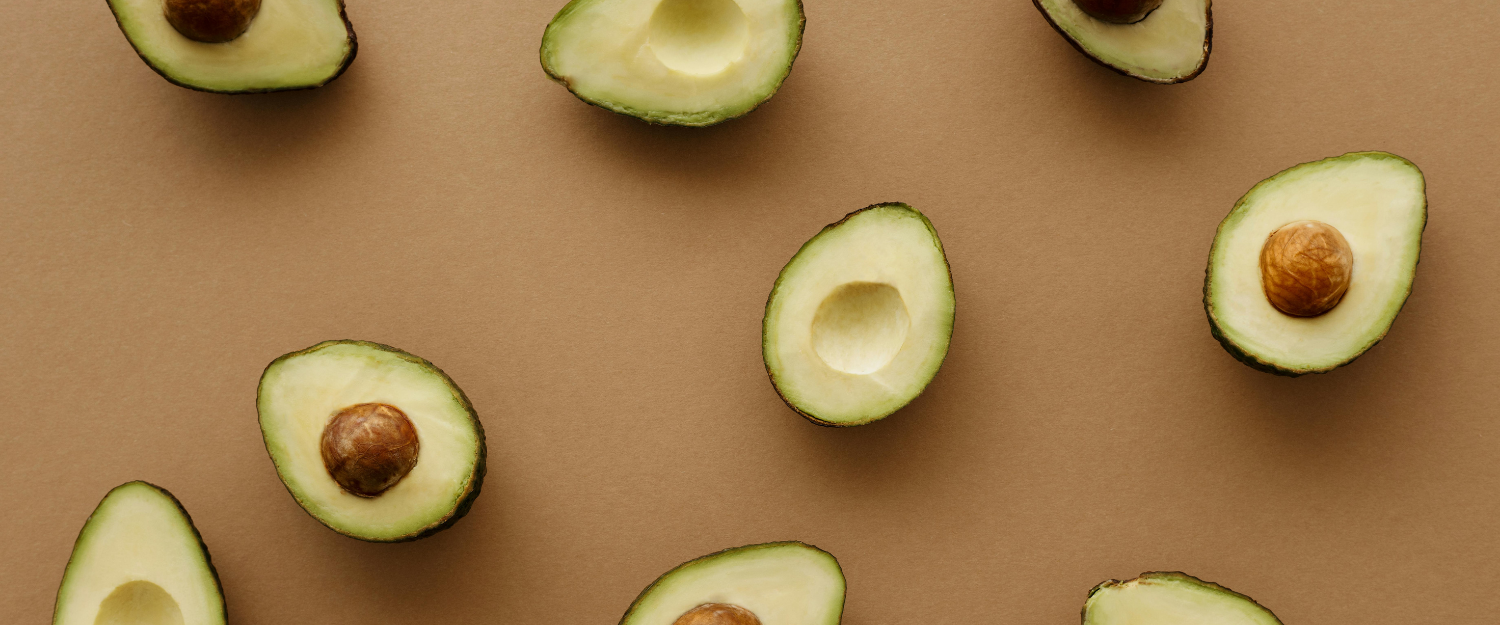
Avocado: A superfood that takes a heavy toll on the planet. What are more sustainable alternatives?
Avocado, often nicknamed "green gold," has become a staple on our plates, whether on toast, in guacamole, or in smoothies. But behind this nutrient-rich fruit lies a worrying environmental footprint. So, is avocado as good for the planet as it is for our health? If not, what more sustainable alternatives can we choose without sacrificing nutritional benefits?
The alarming environmental impact of avocados
-
Excessive water consumption: Did you know that it takes approximately 2,000 liters of water to produce just 1 kilogram of avocados ? By comparison, a tomato crop requires only 214 liters for the same quantity. In countries affected by water shortages, such as Mexico and Chile, this enormous demand exacerbates water access problems for local populations.
-
Deforestation and biodiversity loss: To meet growing global demand, forests are being cut down to make way for avocado crops. In Mexico , which produces about 45% of the world's avocados, thousands of hectares of forest disappear each year, endangering vital ecosystems and biodiversity.
-
High carbon footprint: The majority of avocados we consume come from South America. Transport by plane or ship to Europe or North America contributes 1.52 kg of CO2 per kilo of avocados transported. This represents a significant environmental cost for a fruit often touted as healthy and natural.
Eco-friendly alternatives to avocado
So, what can we eat instead to limit our environmental impact while preserving essential nutrients? Here are some options that are both sustainable and rich in health benefits:
1. Hemp seeds: the local superfood
- Environmental impact : Hemp is a water-efficient crop that improves soil quality. Additionally, it can be grown locally in many parts of the world.
- Nutritional Values : Rich in complete protein, omega-3s, and fiber, hemp seeds are a great nutritional alternative to avocados.
- Use : Add them to your salads or smoothies for a dose of nutrients without a heavy ecological footprint.
2. Hummus: a sustainable source of protein
- Environmental impact : Chickpeas, the main ingredient in hummus, require much less water than avocados. Plus, they can be grown locally, reducing the carbon footprint associated with transportation.
- Nutritional Values : Rich in fiber, plant-based protein, B vitamins, and iron, hummus is an excellent substitute for avocado.
- Use : Spread it on bread or serve it as a dip for a complete nutritional boost.
3. Flax seeds: a source of omega-3
- Environmental impact : Flax seeds require less water and are grown in temperate climates, reducing their ecological footprint.
- Nutritional Values : They are rich in omega-3, fiber and antioxidants, essential elements found in avocados.
- Use : Sprinkle them on your salads or incorporate them into smoothies for nutritional and ecological benefits.
4. Tahini (sesame paste): for healthy fats
- Environmental impact : Sesame plants are drought resistant and require few resources to grow.
- Nutritional Values : Tahini is rich in unsaturated fats, calcium, and magnesium, key nutrients also found in avocado.
- Use : Use it in sauces, dressings or toast.
The numbers that speak for themselves: why change our eating habits?
- 60% of the world's avocado production comes from regions affected by water shortages, making the cultivation of this fruit particularly unsustainable.
- In 2020 , avocado consumption in Europe reached 650,000 tonnes , leading to an increase in deforestation and overexploitation of soils in producing countries.
- Adopting local alternatives like chickpeas or flax seeds could reduce the carbon footprint of our meals by up to 40% .
How to integrate these alternatives into your diet?
- Hemp Seed Smoothie : Substitute a spoonful of hemp seeds for avocado in your smoothies for a creamy texture and an omega-3 boost.
- Hummus Toast : Swap your classic avocado toast for hummus topped with fresh vegetables. It's just as delicious and much kinder to the planet.
- Alternative Guacamole : Make a guacamole with crushed chickpeas, garlic, lemon, and fresh herbs for a longer-lasting and equally tasty version.
While avocados remain a nutrient-dense superfood, their environmental impact is hard to ignore. By opting for more sustainable alternatives like hemp seeds, hummus, or flax seeds, you can continue to enjoy a nutrient-rich diet while also helping to protect the environment. So, are you ready to take action?


Leave a comment
This site is protected by hCaptcha and the hCaptcha Privacy Policy and Terms of Service apply.